
Egg to Eleven FeetIt starts smaller than your forearm.
A compost heap that doubles as an incubator, a thermostat that decides sex instead of temperature control, and a reptile mother who is genuinely, aggressively devoted. This is the strangest exhibit in the park.
Spring, and a Great Deal of Noise
Alligator social life is fairly quiet for most of the year, and then the breeding season arrives and the swamp gets loud.
Males bellow — to attract females and to make it plain to smaller males whose stretch of water this is. Females bellow back. Males become territorial and will defend a patch through display, vocalising, and occasionally an actual fight.
Size matters here, and it is audible: a bigger animal produces a deeper call, so a bellow carries information about who is making it before anyone has to see anything. There is a whole exhibit on this — Gator Talk — including a bellow you can trigger yourself.
The Mound
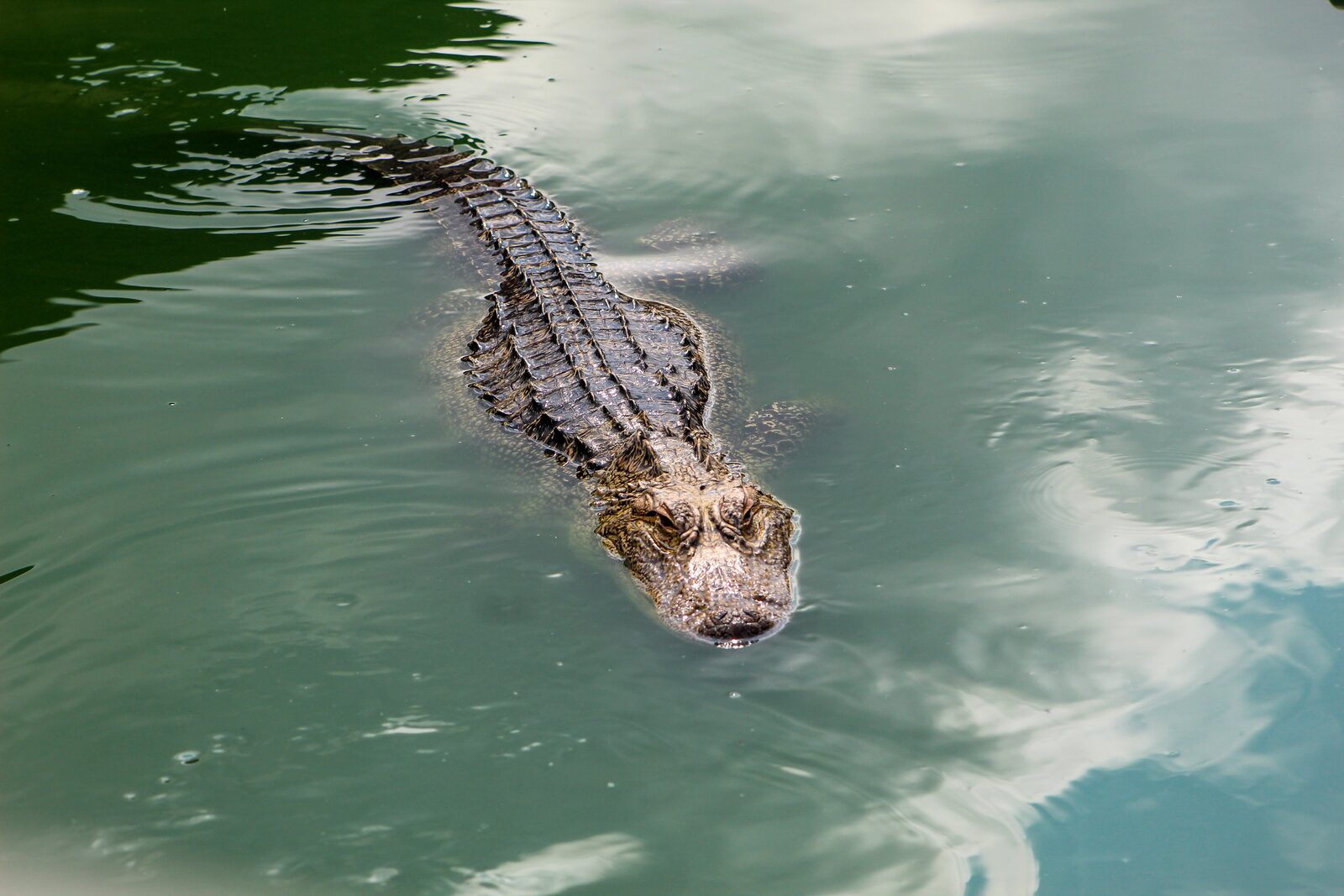
The female builds. She heaps up mud, vegetation and sticks into a large mound near the water, hollows out a chamber, lays her clutch inside and seals it over.
The clever part is what happens next: the vegetation begins to rot, and rotting vegetation gives off heat. The nest is a compost heap doing the job a bird would do by sitting on the eggs. She cannot adjust the thermostat directly — but by choosing where to build, how much shade it gets, what she builds it from and how deep the eggs sit, she has a real influence on the temperature inside.
“I tried to eat one of these mounds once. The lady who built it explained why that was a poor idea. I no longer go near the water.”
The Thermostat That Decides Sex
Here is the fact that stops people in their tracks. An alligator egg does not arrive with its sex already settled. The temperature it is incubated at decides. It is called temperature-dependent sex determination, and alligators share it with some turtles and crocodiles.
The window that matters is the middle third of incubation. Run the dial and watch the clutch.
Nest Simulator
Ten eggs. One dial. Drag it and see what hatches.
About 86°F and below gives females, about 93°F and above gives males, and the range between produces a mix.
Why the mother's choices matter
She does not sit on the nest adjusting things the way a bird can. What she controls is everything upstream of the temperature:
- Where she builds — full sun or deep shade
- How close to the water, and how exposed
- What she builds with, and therefore how hot it composts
- How deep the eggs sit inside the mound
Why this worries biologists
If nest temperature sets the sex ratio, then a warming climate is not a neutral event for alligators. Push average nest temperatures up and you tilt whole cohorts toward male.
It is one of the clearest examples of why a couple of degrees is not an abstract number for wildlife — and it applies to every reptile that uses the same system.
Hatching, and a Mother Who Means It
Reptiles have a reputation for laying eggs and walking away. Alligators are the loud exception.
The female guards the nest fiercely for the whole incubation. When the hatchlings are ready they call from inside the mound, and she digs the nest open to let them out. She then carries them — in that 2,000-psi mouth, with astonishing delicacy — down to the water.
And she stays. The young form a pod and remain near her, and she defends them against predators including, pointedly, other alligators. This level of parental care is one of the most striking social behaviours in the whole group.
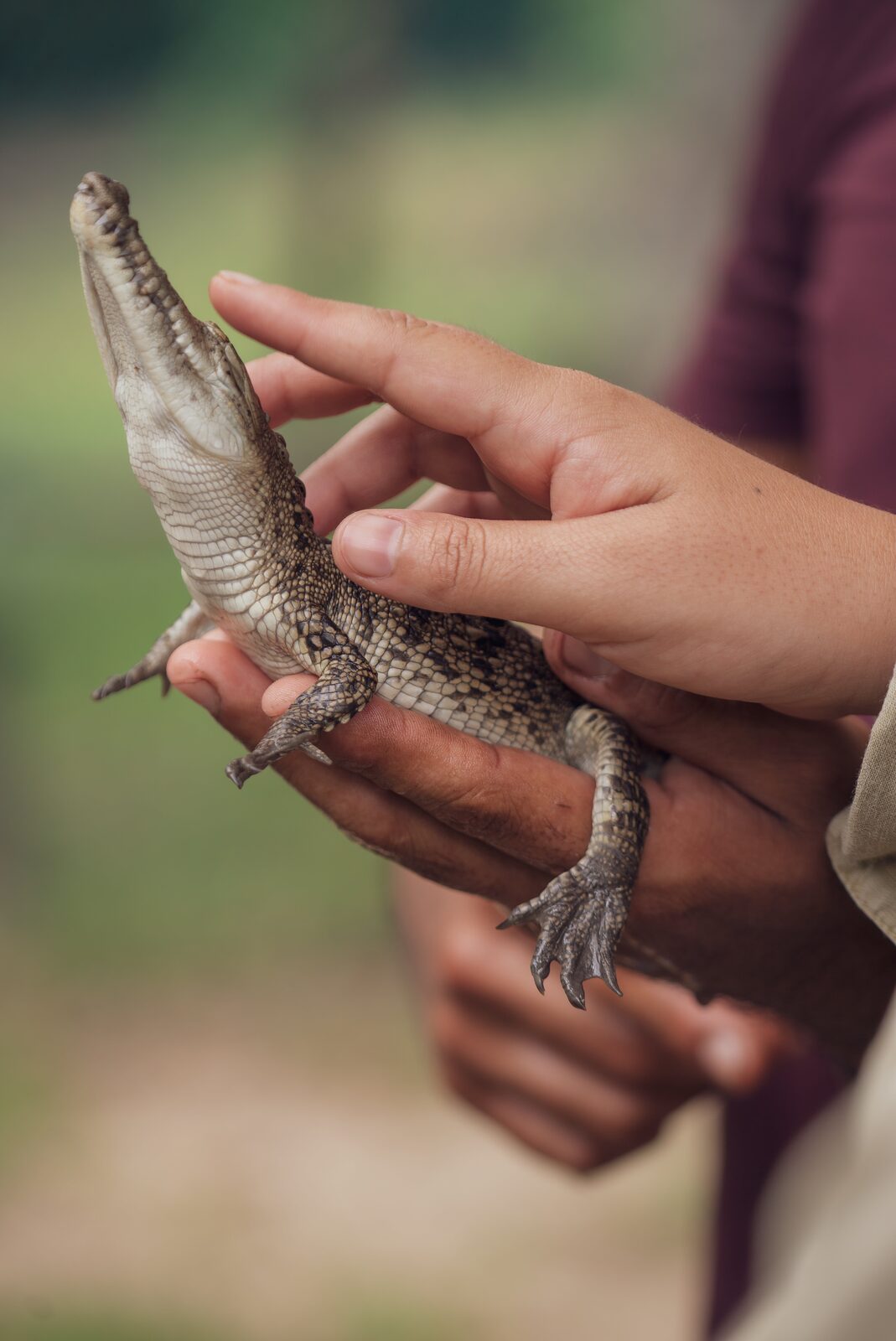
They need it. A hatchling is six to eight inches of snack, and herons, raccoons, large fish and bigger gators are all interested.
The whole run, start to finish
-
SPRING
Courtship
Males bellow to advertise and to warn off rivals. Females answer. Territories are established and defended.
-
BUILD
The mound goes up
The female heaps mud, vegetation and sticks into a nest near the water and hollows out a chamber.
-
LAY
Clutch laid and sealed
Eggs go into the chamber and the mound is closed over them. Decay begins to warm the nest.
-
MIDDLE
THIRDSex is decided
During the middle third of incubation, nest temperature sets whether each egg becomes male or female.
-
HATCH
Calls from inside
Hatchlings vocalise from within the mound and the mother digs it open to release them.
-
TO
WATERThe carry
She takes the hatchlings to the water in her mouth, one careful load at a time.
-
POD
The first year
The young stay together near their mother while she guards them. Their yellow stripes slowly fade.
-
GROW
Up and out
Growth is fastest early on — sometimes more than a foot a year — then slows. Diet and habitat quality set the ceiling.
Nest-building, protection, the release of hatchlings and early growth rates come from the project brief. The finer sequencing of hatchling calls and the carry to water is standard crocodilian reference material and should be sourced properly before publication.
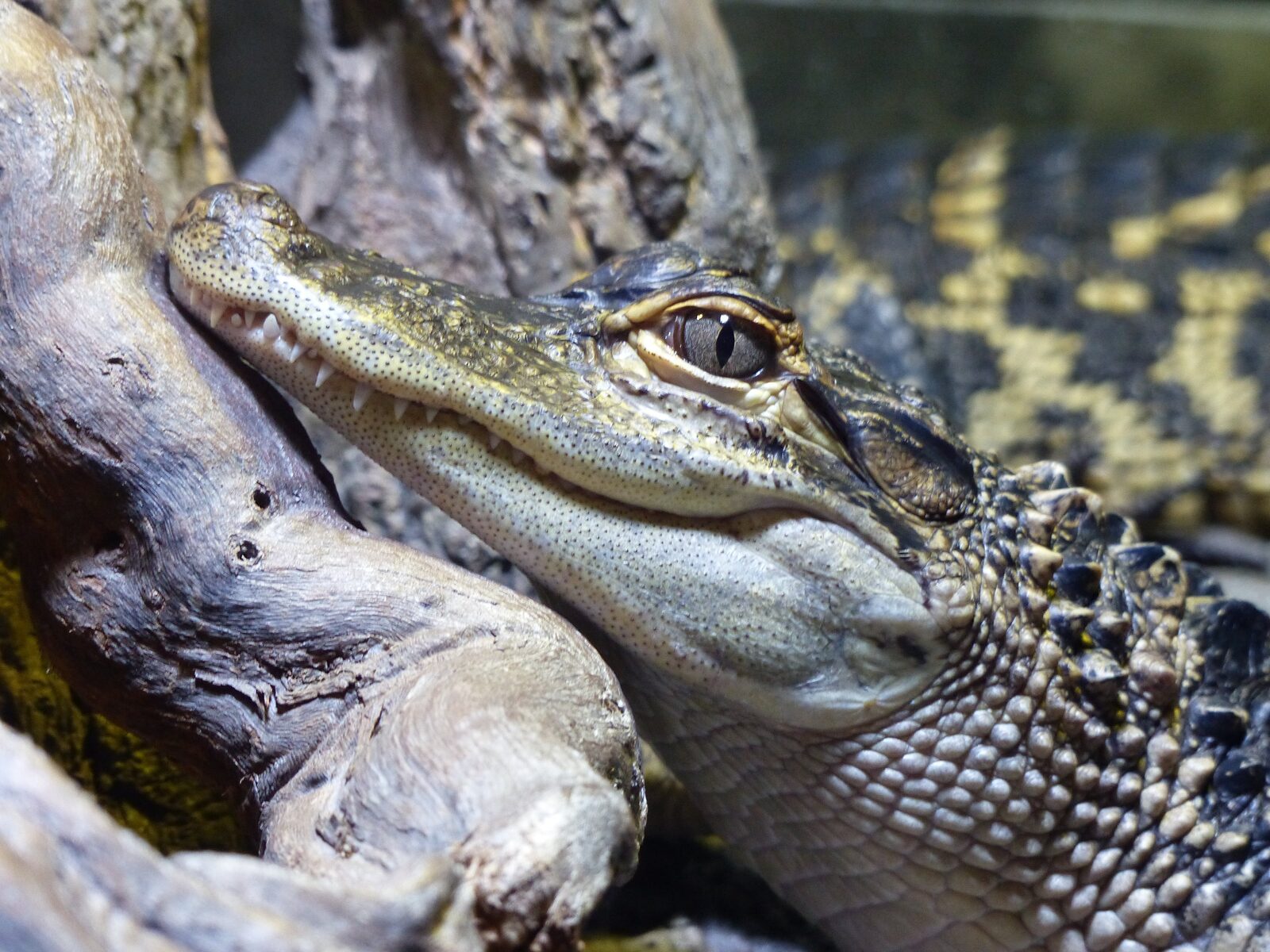
“She carried me to the water in her teeth and I did not have a scratch on me. Try explaining that to people who think we're just big lizards.”
Exhibit complete
You have heard a great deal about bellowing. Time to actually make one.